Translation Services: Enhancing UK Scientific Conference Abstracts Accessibility
The UK's scientific conference scene, renowned globally for its diversity and hosting institutions, relies heavily on Translation services for UK Scientific Conference Abstracts to overcome language barriers. These services are crucial for inter…….

The UK's scientific conference scene, renowned globally for its diversity and hosting institutions, relies heavily on Translation services for UK Scientific Conference Abstracts to overcome language barriers. These services are crucial for international collaboration and inclusivity, enabling researchers from non-English speaking countries to contribute their work and participate actively. By translating complex research into accessible language, abstracts facilitate knowledge exchange and spark discussions among diverse audiences, transforming global scientific engagement at UK conferences.
In the dynamic realm of UK scientific research, effective communication is paramount. This article explores how abstracts, concise summaries of research findings, navigate the bustling landscape of conferences. We delve into the role of abstracts in shaping presentations and address challenges that hinder their impact. Furthermore, we highlight translation services as a game-changer, enhancing accessibility and ensuring diverse audiences can fully engage with UK scientific advancements. Understanding these dynamics is crucial for researchers aiming to leave an indelible mark in today’s global academic community, leveraging translation services for UK scientific conference abstracts.
- Understanding the UK Scientific Conference Landscape
- The Role of Abstracts in Scientific Presentations
- Challenges and Barriers to Effective Abstract Communication
- Enhancing Accessibility: Translation Services as a Game Changer
Understanding the UK Scientific Conference Landscape
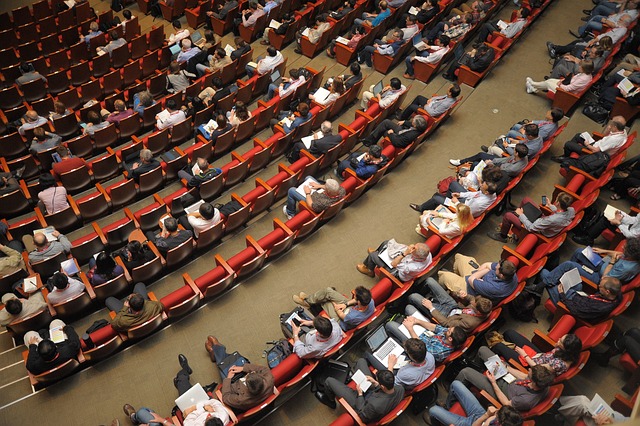
The UK scientific conference landscape is dynamic and diverse, encompassing a wide range of disciplines from life sciences to physical sciences and engineering. These events provide vital platforms for researchers, scientists, and academics to present their latest findings, network with peers, and explore potential collaborations. With many renowned institutions and universities hosting conferences annually, the UK offers a rich environment for scientific discourse.
Translation services play a significant role in facilitating global participation in these events. As international collaboration grows, ensuring that abstracts and presentations are accessible to a diverse audience is essential. Translation services for UK scientific conference abstracts enable researchers from non-English speaking countries to contribute their work, fostering inclusivity and knowledge exchange across borders.
The Role of Abstracts in Scientific Presentations

In the realm of scientific presentations at UK events, abstracts play a pivotal role as the first point of contact between researchers and their potential audience. These concise summaries act as a bridge, translating complex research ideas into accessible formats. They provide a snapshot of the presentation’s content, allowing attendees to gauge its relevance and quality before deciding to engage further. Well-crafted abstracts are not just informative; they are persuasive, encouraging interest and fostering discussions that can lead to collaborations and advancements in knowledge.
Translation services for UK Scientific Conference Abstracts are increasingly important as these events attract participants from diverse linguistic backgrounds. Accurate and fluent communication of abstract content ensures that the research being presented reaches a broader audience, enhancing the event’s impact and inclusivity. This is especially crucial when discussing intricate scientific matters where nuances of language can significantly affect understanding and interpretation.
Challenges and Barriers to Effective Abstract Communication

Effective communication through abstracts is paramount for scientific events, yet several challenges and barriers hinder their impact. One significant hurdle is the linguistic diversity among attendees. With researchers from around the globe attending UK conferences, abstract accessibility becomes a pressing issue. While many academic journals mandate English-language submissions, ensuring accurate and clear translations for non-English speakers is essential to reach a broader audience. This often requires additional efforts, including professional translation services, to convey complex scientific ideas coherently.
Moreover, the concise nature of abstracts poses a challenge in conveying nuanced research details. Condensing extensive studies into a few sentences demands precision and clarity. Misinterpretations can occur due to vague phrasing or technical terms not translating well across languages. To overcome this, abstract writers must focus on simplicity and directness, ensuring their work resonates with all attendees, regardless of linguistic background. Translation services play a crucial role here by providing native-language experts who can capture the essence of scientific research accurately.
Enhancing Accessibility: Translation Services as a Game Changer

In today’s global scientific landscape, ensuring accessibility is paramount for any UK scientific event. One innovative solution that has emerged as a game-changer in this regard are translation services. With a vast array of researchers from diverse linguistic backgrounds attending these conferences, providing professional translation support can significantly enhance inclusivity and participation. This service goes beyond simple word-for-word translation; it involves interpreting complex scientific terminology with precision, ensuring the abstract’s meaning remains intact while catering to a broader audience.
Translation services for UK Scientific Conference Abstracts play a pivotal role in breaking down language barriers. They enable researchers from non-English speaking countries to actively engage with their peers, share their groundbreaking work, and contribute to discussions without linguistic constraints. This accessibility not only fosters a more diverse and vibrant exchange of ideas but also encourages collaboration on an international scale, ultimately enriching the scientific discourse at these events.
In conclusion, abstract communication plays a pivotal role in UK scientific events. By understanding the landscape and addressing challenges like language barriers, we can significantly enhance accessibility. Translation services emerge as a game-changer, ensuring that abstracts are not just presented but truly understood by a diverse audience. Embracing these solutions is crucial for fostering inclusivity and maximizing the impact of scientific research at conferences across the UK.