Navigating UK Scientific Standards: A Guide for Translating Conference Abstracts
Translation services for UK Scientific Conference Abstracts are critical for conveying complex scientific information to an international audience. These specialized translation experts ensure that the nuanced language, technical terminology, and pre…….

Translation services for UK Scientific Conference Abstracts are critical for conveying complex scientific information to an international audience. These specialized translation experts ensure that the nuanced language, technical terminology, and precise conventions of UK scientific discourse are accurately conveyed, maintaining the integrity and clarity of the original research findings. By adhering to global academic communication standards and employing linguists with field-specific knowledge, these services enable researchers to effectively communicate their work across cultural and linguistic barriers, amplifying the international reach and impact of UK research. The precision and cultural sensitivity provided by these translation services are indispensable for successful scientific exchange, facilitating global collaboration and the dissemination of knowledge within the scientific community.
Navigating the intricacies of scientific communication, this article delves into the critical process of translating abstracts to align with UK scientific standards. It provides a comprehensive overview of the UK scientific conference abstract landscape, highlighting its unique characteristics and requirements. Exploring the pivotal role of professional translation services in academia, the piece underscores their significance in facilitating global understanding and collaboration. Subsequently, it outlines key considerations for accurately translating such abstracts, ensuring that the essence and precision of the original content are preserved. Finally, it details best practices to guarantee adherence to UK scientific standards, ensuring clarity and precision in translated materials. For researchers and institutions aiming to disseminate their findings internationally, understanding these translation nuances is paramount for effective communication and recognition within the global scientific community.
- Understanding the UK Scientific Conference Abstract Landscape
- The Role of Professional Translation Services in Academia
- Key Considerations for Translating Scientific Abstracts Accurately
- Best Practices for Maintaining Clarity and Precision in Translations
- Ensuring Compliance with UK Scientific Standards in Abstract Translation
Understanding the UK Scientific Conference Abstract Landscape
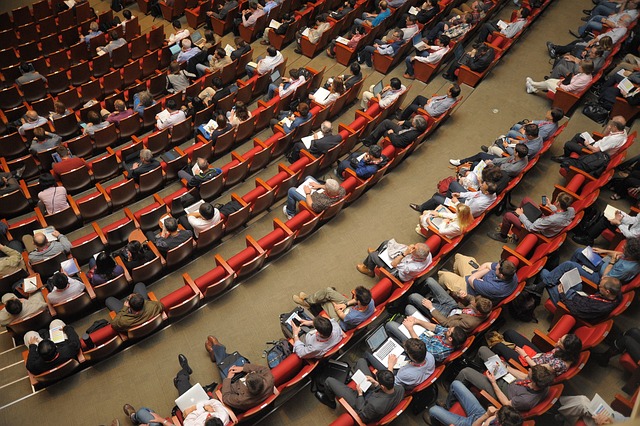
Navigating the UK scientific conference abstract landscape necessitates a precise and nuanced approach to translation, particularly when it comes to UK Scientific Conference Abstracts. Specialist translation services play a pivotal role in effectively communicating research findings to diverse international audiences. These services are adept at capturing the essence of the original text, ensuring that technical terminology and complex concepts are accurately conveyed within the context of UK scientific discourse. The translation must align with the UK’s rigorous standards for academic communication, which includes a clear, concise, and comprehensive presentation of research objectives, methodologies, results, and conclusions. This alignment is crucial for the abstract to be well-received by peers and to maintain the integrity of the scientific exchange. Furthermore, translators must be well-versed in the specific language used within the field, as well as the subtleties of UK English to avoid misinterpretation or loss of meaning. This expertise ensures that the translated abstract aligns with the expectations of UK Scientific Conference standards and effectively contributes to the global scientific conversation.
The Role of Professional Translation Services in Academia

In the realm of academic discourse, the precision and clarity of communication are paramount. This is particularly true when it comes to translating scientific conference abstracts for UK-based research. The role of professional translation services in academia has become increasingly significant as global collaboration expands and researchers strive to share their findings with an international audience. These services ensure that the nuances, complex terminologies, and specific data within a scientific abstract are accurately conveyed, adhering to the linguistic and cultural nuances that characterize UK scientific communication. By leveraging expert linguists with specialized knowledge in the sciences, these translation services facilitate cross-disciplinary understanding and foster knowledge exchange. They bridge language barriers, enabling researchers to present their work without compromise, thus enhancing the global impact of UK research outputs.
Moreover, the use of professional translation services for UK scientific conference abstracts is not just about linguistic accuracy but also about maintaining the integrity of the research itself. These services are adept at handling specialized content, ensuring that technical terms and contextually relevant information are translated correctly. This precision is crucial as it allows for a deeper level of scrutiny by peers worldwide, which is essential for scientific validation and advancement. In doing so, these translation services play a critical role in supporting the academic community’s commitment to transparency, collaboration, and the dissemination of knowledge across borders.
Key Considerations for Translating Scientific Abstracts Accurately

When translating scientific abstracts for UK scientific conferences, precision and adherence to linguistic nuances are paramount. Translation services must possess a deep understanding of the subject matter, encompassing both the technical terminology and the context in which it is used. The translated text should mirror the source document’s intent, clarity, and scientific rigour. It is essential that translators are not only proficient in the relevant languages but also well-versed in the specific jargon of the field, be it in biomedical sciences, engineering, or social sciences. This expertise ensures that the abstract accurately reflects the research’s scope and significance, maintaining the integrity of the data presented.
Moreover, the translation process should account for the UK’s scientific standards, which may differ from international norms. This includes the use of standardised units of measurement, UK English terminology, and referencing conventions. Translation services for UK Scientific Conference Abstracts must also be mindful of cultural nuances that could affect the interpretation of findings. A careful approach to translation that combines linguistic proficiency with an understanding of scientific content and UK-specific standards is crucial for successful communication within the academic community.
Best Practices for Maintaining Clarity and Precision in Translations

When translating UK scientific conference abstracts, maintaining clarity and precision is paramount to effectively communicate research findings to an international audience. The translation services for UK Scientific Conference Abstracts must adhere to stringent standards that reflect the exactness and rigor inherent in scientific discourse. Translators should possess a deep understanding of both the source and target languages, as well as the specific terminology used within the scientific field. This expertise is crucial for translating specialized terms accurately and consistently, ensuring that the nuances and complexities of the original text are preserved.
To achieve this, translation services must employ best practices that include a thorough review of the context in which terms are used, the selection of translators with subject-matter expertise, and the implementation of a rigorous editing process. Employing advanced translation technology can aid in maintaining consistency across documents, while peer-review mechanisms can enhance the accuracy of the translated content. By ensuring that all scientific concepts are conveyed with fidelity and precision, these translation services play a pivotal role in the global exchange and understanding of UK scientific research. This not only elevates the standing of the research but also facilitates international collaboration and innovation.
Ensuring Compliance with UK Scientific Standards in Abstract Translation

When translating UK scientific conference abstracts, adherence to the established standards set by UK scientific institutions is paramount. Translation services for UK Scientific Conference Abstracts must go beyond mere linguistic accuracy; they must also ensure compliance with the specific conventions and expectations of the scientific community. This involves not only a deep understanding of the subject matter but also a familiarity with the nuanced language and technical terminology inherent in scientific discourse. The translator’s role is to convey the essence of the original abstract, preserving the meaning and intent while also adapting the text to suit the target audience, which may include both researchers and laypersons.
The translation process must be meticulous, with attention to detail in every aspect, from grammar and syntax to the interpretation of complex data and methodologies. It is crucial that the translated abstract maintains the integrity of the original study’s findings, objectives, and scope. For translation services for UK Scientific Conference Abstracts to be effective, they must be performed by professionals with expertise in both the source and target languages as well as a solid grasp of the scientific subject matter. This ensures that the translated text aligns with the UK’s scientific standards and effectively communicates the research’s significance and novelty to an international audience.
In concluding, the translation of scientific abstracts to meet UK scientific standards is a nuanced process that demands precision and adherence to established conventions. This article has outlined the critical aspects of navigating the UK scientific conference abstract landscape, emphasizing the pivotal role of professional translation services in academia. By adhering to key considerations for accurate translations and following best practices for clarity and precision, translators can ensure compliance with these rigorous standards. For researchers and institutions seeking to engage with the global scientific community, utilizing specialized translation services for UK scientific conference abstracts is not just a formality but an essential step towards effective communication and collaboration. With the right approach, translations can bridge language barriers without compromising on the integrity of the research presented.