Navigating the Science of Translation: Best Practices for UK Conference Abstract Submissions
Translation services for UK Scientific Conference Abstracts are essential for accurately conveying the technical and nuanced content of scientific research to a global audience. These specialized translation services ensure that the precise terminolo…….

Translation services for UK Scientific Conference Abstracts are essential for accurately conveying the technical and nuanced content of scientific research to a global audience. These specialized translation services ensure that the precise terminology and complex concepts inherent in scientific disciplines like advanced engineering, novel pharmaceuticals, and cutting-edge medical research are understood without cultural bias or misinterpretation. Professionals with expertise in both linguistics and specific scientific fields are employed to deliver translations that uphold the integrity of the original content, facilitate international collaborations, and integrate research into the global scientific dialogue. By utilizing these services, researchers can effectively submit their work to UK events, adhering to submission guidelines and formatting requirements, and thereby enhance the exchange of knowledge on an international scale. Engaging translation experts is a critical step for researchers aiming to present at top-tier UK scientific events, ensuring quality control, scientific integrity, and alignment with UK academic norms.
Navigating the intricate realm of scientific discourse necessitates meticulous communication, particularly when presenting findings at UK scientific events. This article delves into the critical process of translating abstracts, ensuring that the essence and precision of your research are preserved across linguistic barriers. We will explore the landscape of translation services for UK Scientific Conference Abstracts, highlighting the expertise required to convey complex scientific content accurately. Key factors influencing the choice of a translation service will be examined, underscoring the importance of linguistic specialists who understand the technical nuances and cultural context inherent in scientific language. Additionally, we will provide best practices for a seamless submission process, enabling your research to engage with an international audience effectively.
- Understanding the Importance of Precise Translation for UK Scientific Conference Abstracts
- Overview of the Translation Services Landscape for Academic Papers
- Key Considerations When Choosing a Translation Service for Scientific Texts
- The Role of Linguistic Experts in Translating Complex Scientific Content
- Ensuring Clarity and Accuracy: The Translation Process for Abstracts
- Technical Nuances in Scientific Language Requiring Specialist Knowledge
- The Impact of Cultural Context on the Translation of Scientific Abstracts
- Streamlining Submission: Best Practices for Translating and Submitting Conference Abstracts to UK Events
Understanding the Importance of Precise Translation for UK Scientific Conference Abstracts
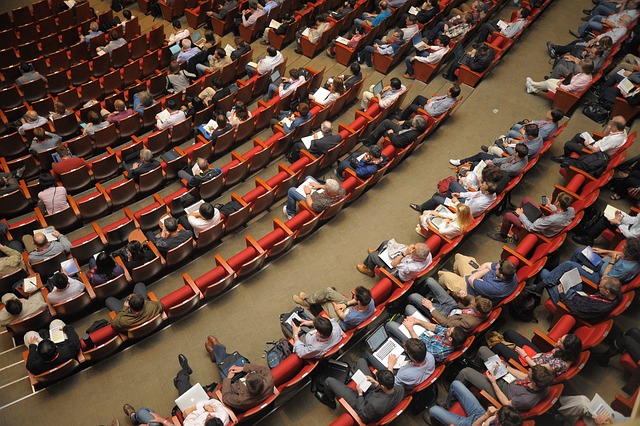
To ensure the highest caliber of scientific discourse, precise translation of abstracts for UK scientific conferences is paramount. The intricacies of scientific language and the technical details within research abstracts necessitate a translation service that possesses both linguistic proficiency and an intimate understanding of scientific terminology. Such translations facilitate the seamless exchange of ideas between international researchers, enabling collaboration and innovation. The accuracy of these translations directly impacts the credibility and clarity of the presented research, ensuring that findings are not misrepresented or lost in translation. By leveraging specialized translation services for UK scientific conference abstracts, researchers can effectively communicate their discoveries to a global audience, thereby fostering advancements in various scientific fields.
Furthermore, the role of translation services in the context of UK scientific conferences extends beyond mere linguistic conversion. It encompasses cultural nuances and context-specific knowledge that may be critical for an accurate interpretation of complex concepts. These services bridge gaps between different scientific communities, allowing for a more inclusive and comprehensive understanding of research outputs. The selection of a translation service with expertise in the relevant scientific domain is crucial; it guarantees that the essence and intent of each abstract are preserved, ensuring that the submission aligns with the high standards expected at these prestigious events.
Overview of the Translation Services Landscape for Academic Papers

In the realm of academic discourse, particularly within the scientific community in the UK, the translation of conference abstracts is a nuanced and critical process. The demand for precise and accurate translation services for UK scientific conference abstracts has grown exponentially, reflecting the global nature of scientific research and collaboration. This burgeoning need underscores the importance of translation services that not only convey content accurately but also maintain the integrity of the original text’s scientific context. Specialist translators with a deep understanding of both the source and target languages, as well as the intricacies of scientific terminology, are essential to this process. These experts ensure that abstracts, which often contain complex concepts and technical jargon, are translated seamlessly, facilitating the dissemination of knowledge across linguistic boundaries. The translation services landscape for academic papers is characterized by a blend of advanced technology and human expertise, with the latter being indispensable for capturing the nuances of scientific discourse. By leveraging translation memory systems and utilizing native speakers, these services provide a reliable means for researchers to submit their work to a diverse array of UK scientific events without linguistic barriers. This not only enhances the accessibility of research but also supports the global exchange of ideas and innovations, fostering collaboration and progress within the scientific community.
Key Considerations When Choosing a Translation Service for Scientific Texts

When submitting abstracts to UK scientific events, the accuracy and appropriateness of translation are paramount. The nuances of scientific language demand a translation service that specializes in the field, capable of conveying complex concepts and technical terminology with precision. A proficient service for translation of UK Scientific Conference Abstracts should boast expert linguists who hold advanced degrees or have specialized training in science. These individuals are adept at understanding the context within which terms are used and can ensure that the translated text maintains its scientific integrity. Additionally, the chosen service must excel in cultural adaptations, tailoring the language to resonate with a UK audience while adhering to international standards of scientific communication. This is crucial for maintaining the credibility and clarity of the research being presented.
Another key consideration is the service’s track record and reliability. It is essential to work with a translation service that has a proven history of successful contributions to scientific discourse, particularly within the UK context. Reputable services often provide case studies or testimonials from previous clients, which can be instrumental in assessing their expertise. Furthermore, the ability to consistently deliver within tight deadlines without compromising on quality is a hallmark of a top-tier translation service for UK Scientific Conference Abstracts. This commitment to timeliness and precision underscores the importance of selecting a provider that aligns with the high standards expected in scientific submissions.
The Role of Linguistic Experts in Translating Complex Scientific Content

When it comes to presenting scientific findings at UK conferences, the clarity and precision of language are paramount. The role of linguistic experts in translating complex scientific content is pivotal for researchers aiming to share their discoveries with a global audience. These experts specialize in translation services for UK scientific conference abstracts, ensuring that the nuances of the original text are preserved without compromising on scientific accuracy. They possess a deep understanding of both the source and target languages, as well as the specialized vocabulary inherent in scientific discourse. Their proficiency enables them to handle technical terms, idiomatic expressions, and complex concepts with finesse, translating intricate research into comprehensible language for diverse international participants. This is not merely a matter of semantics; it involves a sophisticated process that includes cultural adaptation, terminological precision, and context-aware translation strategies. By leveraging the expertise of seasoned translators, researchers can navigate linguistic barriers with confidence, facilitating seamless submission of their abstracts to UK scientific events and fostering cross-disciplinary communication without linguistic limitations.
Ensuring Clarity and Accuracy: The Translation Process for Abstracts

When submitting abstracts to UK scientific conferences, clarity and accuracy in communication are paramount. The translation process for such documents requires a specialized touch, as it involves not just converting language from one tongue to another but ensuring that the essence of the research and its methodology are accurately conveyed. Translation services for UK Scientific Conference Abstracts must be adept at navigating the complex terminologies that are often characteristic of scientific discourse. These services should be staffed by professionals who possess not only linguistic expertise but also a deep understanding of the subject matter, enabling them to select precise terms and maintain the original meaning within the target language. This is crucial as it avoids misunderstandings that could arise from idiomatic expressions or cultural nuances that might otherwise alter the interpretation of the research findings. By leveraging advanced translation technologies alongside human expertise, these services can provide seamless translations that meet the high standards required by scientific communities. This not only facilitates the inclusion of diverse international researchers in UK conferences but also upholds the integrity of the scientific dialogue, ensuring that all contributors have an equal opportunity to be understood and valued for their contributions to knowledge advancement.
Technical Nuances in Scientific Language Requiring Specialist Knowledge
In the realm of scientific discourse, the precision and clarity of language are paramount. When scientists from diverse disciplines converge at UK scientific events, their abstracts serve as concise windows into their research, often laden with technical nuances that are specific to their field. To ensure these abstracts communicate effectively to an international audience, translation services for UK Scientific Conference Abstracts play a crucial role. These services must transcend linguistic barriers while retaining the intricacies of scientific terminology and methodologies. The translators are not mere linguists but specialists with a deep understanding of the subject matter, capable of interpreting complex concepts and expressing them in a manner that maintains the integrity of the original content. This is particularly important when the science involves highly specialized knowledge, such as advanced engineering principles, novel pharmaceutical compounds, or cutting-edge medical research. The translation must be accurate to the letter, capturing not only the data and results but also the context and implications of the findings, thereby enabling a seamless submission to these events, which often set the stage for global scientific collaboration and advancement.
The Impact of Cultural Context on the Translation of Scientific Abstracts

When submitting scientific abstracts to UK scientific events, the nuances of language and cultural context play a pivotal role in ensuring clarity and effectiveness. The translation of scientific abstracts is not merely a matter of converting text from one language to another; it encompasses a deep understanding of the cultural background that frames the research. Scientific concepts, while often believed to be universal, can carry different meanings or connotations depending on the cultural context in which they originated or are being read. This is where specialized translation services for UK scientific conference abstracts become indispensable. These services are staffed by translators with expertise not only in linguistics but also in the scientific field relevant to the abstract content, ensuring that the translated text retains its original meaning and intent without cultural bias or misinterpretation. The implications of an accurate translation are significant; it can influence the reception of research findings, the formation of international collaborations, and the overall contribution of the study to the global scientific community. Thus, for researchers aiming to present their work at UK events, leveraging professional translation services is a critical step in achieving seamless submission and fostering a truly global exchange of knowledge.
Streamlining Submission: Best Practices for Translating and Submitting Conference Abstracts to UK Events

To ensure a seamless submission of conference abstracts to UK scientific events, it is imperative to pay close attention to the translation process. Utilizing professional translation services for UK Scientific Conference Abstracts can significantly enhance the quality and accuracy of translations. These services are equipped with expert linguists who specialize in scientific terminology, ensuring that complex concepts and research findings are accurately conveyed. When submitting abstracts, it is crucial to adhere to the specific guidelines provided by each event, which often include formatting instructions and language requirements. By leveraging translation services, researchers can avoid common pitfalls such as mistranslations or cultural misinterpretations that could compromise the evaluation of their work. Moreover, these services are adept at handling multiple submissions efficiently, allowing for timely processing and review by the hosting UK scientific event. In doing so, researchers can focus on the substantive aspects of their research while trusting the technicalities of language translation to be expertly managed.
Furthermore, engaging professional translation services for UK Scientific Conference Abstracts can provide an additional layer of quality control and attention to detail that is often necessary for scientific writing. These services not only translate text but also ensure that the abstract maintains its scientific integrity and adheres to the conventions of academic writing. This meticulous approach is vital, as it reflects positively on the researcher’s professionalism and the rigor of their study. Additionally, working with translation experts who are familiar with the UK’s academic culture can facilitate a smoother submission process, as they can tailor the translation to align with the expectations of UK scientific communities. This proactive approach to translation is an invaluable asset for researchers aiming to present their work at prestigious UK scientific events.
In concluding, the meticulous translation of scientific abstracts for UK scientific events is a critical endeavor that demands specialized knowledge and precision. This article has shed light on the pivotal role of expert linguists and tailored translation services for UK Scientific Conference Abstracts in bridging communication gaps between researchers globally. By adhering to the outlined best practices, researchers can ensure their work is accurately conveyed, maintaining the integrity of their research while facilitating smoother submissions to these events. The insights provided here underscore the necessity for a nuanced and culturally informed approach when translating scientific content, thereby enhancing the global exchange of knowledge within the scientific community.