Navigating Language Barriers: Precision Translation Services for UK Scientific Conference Abstracts
Translation services for UK Scientific Conference Abstracts are indispensable for overcoming language barriers and enabling international scientific collaboration. These specialized services ensure the precise communication of advanced research findi…….

Translation services for UK Scientific Conference Abstracts are indispensable for overcoming language barriers and enabling international scientific collaboration. These specialized services ensure the precise communication of advanced research findings by employing translators with both linguistic proficiency and a firm grasp of scientific terminology. Their role is to accurately convey complex content, navigate context-specific terminology, and maintain the integrity of scientific information across different languages. This facilitates global knowledge sharing and fosters innovation within the scientific community. By providing high-quality translations that capture the nuances of technical jargon and idiomatic expressions, these services enable researchers to present their work at UK conferences with confidence, ensuring their findings are accurately understood by an international audience. Opting for a translation service with native speaker experts in the relevant scientific field, coupled with swift turnaround times without compromising on quality, is crucial, especially given the competitive nature of conference submissions.
Navigating the realm of scientific discourse, researchers often encounter the necessity to cross language boundaries. This article delves into the process of translating research abstracts for submission to UK scientific events. It highlights the critical role of precise translation services within the UK scientific community, emphasizing how accurate abstracts can enhance the likelihood of conference acceptance. Additionally, it addresses overcoming linguistic barriers through strategic translation methodologies and evaluates the importance of maintaining clarity and integrity in academic communications. For those looking to submit to UK scientific conferences, this guide offers insights on selecting a reliable translation service provider, ensuring your research reaches its intended audience with the utmost precision and professionalism.
- Understanding the Necessity for Precise Translation Services in the UK Scientific Community
- The Role of Accurate Abstract Translation in Securing Acceptance to UK Scientific Conferences
- Overcoming Language Barriers: Strategies for Effective Translation of Research Abstracts
- Evaluating Translation Quality: Ensuring Clarity and Integrity in Academic Communications
- Selecting a Reliable Translation Service Provider for UK Scientific Conference Submissions
Understanding the Necessity for Precise Translation Services in the UK Scientific Community
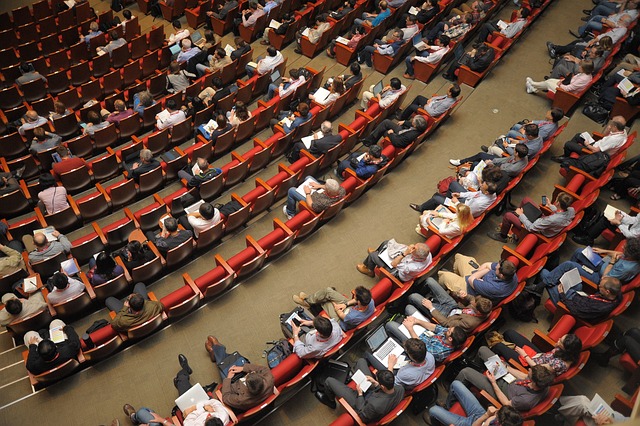
In the highly specialized realm of scientific research, precision is paramount. The UK scientific community, renowned for its groundbreaking discoveries and advancements, operates within a global context where collaboration and communication are key. This necessitates a seamless exchange of ideas across language barriers. Translation services for UK Scientific Conference Abstracts play an indispensable role in this process. They ensure that research findings, methodologies, and theoretical insights are accurately conveyed to an international audience. The fidelity of translation directly impacts the credibility and comprehension of scientific work, as minor discrepancies can lead to misunderstandings or misinterpretations that could potentially stall research progress or lead to incorrect conclusions. To maintain the integrity of scientific discourse, it is imperative to employ translators who are not only linguistically proficient but also well-versed in scientific terminology and context. This expertise allows for the nuanced translation of abstracts, which are critical summaries that succinctly capture the essence of research conducted. By facilitating access to a broader scientific community, these translation services foster innovation and knowledge sharing, ultimately contributing to the advancement of science on a global scale.
The Role of Accurate Abstract Translation in Securing Acceptance to UK Scientific Conferences

Overcoming Language Barriers: Strategies for Effective Translation of Research Abstracts

In the dynamic realm of scientific discourse, researchers from diverse linguistic backgrounds frequently encounter language barriers that can impede effective communication. To bridge this gap and facilitate seamless submission to UK scientific events, translation services for UK Scientific Conference Abstracts play a pivotal role. These specialized services ensure that research findings are accurately conveyed across languages, thereby expanding the audience and enhancing collaboration opportunities. The process begins with a meticulous understanding of both the source and target languages, as well as the specific terminology used within the scientific field. This approach not only preserves the integrity of the original content but also adapts it to conform with the conventions of the target linguistic and cultural context. By employing expert linguists with specialized knowledge in science, these translation services offer precision that general translation cannot match. They leverage cutting-edge tools and methodologies to deliver translations that are not only literal but also idiomatically correct, ensuring that the nuances and technicalities of the research are accurately represented. This level of accuracy is crucial for abstracts submitted to UK scientific events, where clarity and precision can differentiate between successful and overlooked contributions. Consequently, leveraging professional translation services for UK Scientific Conference Abstracts is an indispensable step for researchers aiming to engage with a broader international audience and make their work accessible to a global scientific community.
Evaluating Translation Quality: Ensuring Clarity and Integrity in Academic Communications

Selecting a Reliable Translation Service Provider for UK Scientific Conference Submissions

When preparing for submission to UK scientific conferences, researchers must ensure that their abstracts convey the precision and clarity inherent in their work. A pivotal aspect of this preparation is selecting a reliable translation service provider for UK scientific conference abstracts. The chosen translation services should possess a specialized grasp of both scientific language and the context-specific terminology relevant to the research field. This specialization ensures that technical jargon, idiomatic expressions, and nuanced concepts are accurately translated, maintaining the integrity of the original content. It is imperative to opt for a service that employs native speakers with expertise in the scientific domain to guarantee the fidelity of translation. Such providers often have a track record of successful collaborations with academics, research institutions, and publishers, indicating their reliability and proficiency. Furthermore, a provider that offers swift turnaround times without compromising on quality can be particularly advantageous, especially when adhering to conference submission deadlines. By choosing a translation service that meets these criteria, researchers can submit their abstracts with confidence, knowing that their work will be understood and appreciated by an international audience in the UK scientific community.
In conclusion, the pursuit of scientific advancement is a global endeavor that transcends language barriers. For researchers and academics aiming to engage with the UK’s esteemed scientific events, precise translation services for UK scientific conference abstracts are indispensable. These translations not only facilitate broader participation but also enhance the international visibility and impact of research findings. By adopting strategic approaches to overcome linguistic challenges and committing to high-quality evaluations of translated content, the academic community ensures the integrity and clarity of cross-cultural communications. Selecting a reliable translation service provider is a critical step for researchers to seamlessly submit their abstracts to UK scientific events, thereby fostering an inclusive and collaborative international research landscape.